Unlocking the Potential of Air Cargo: The Ultimate Guide to Shipping Centers, Transportation, and Airports
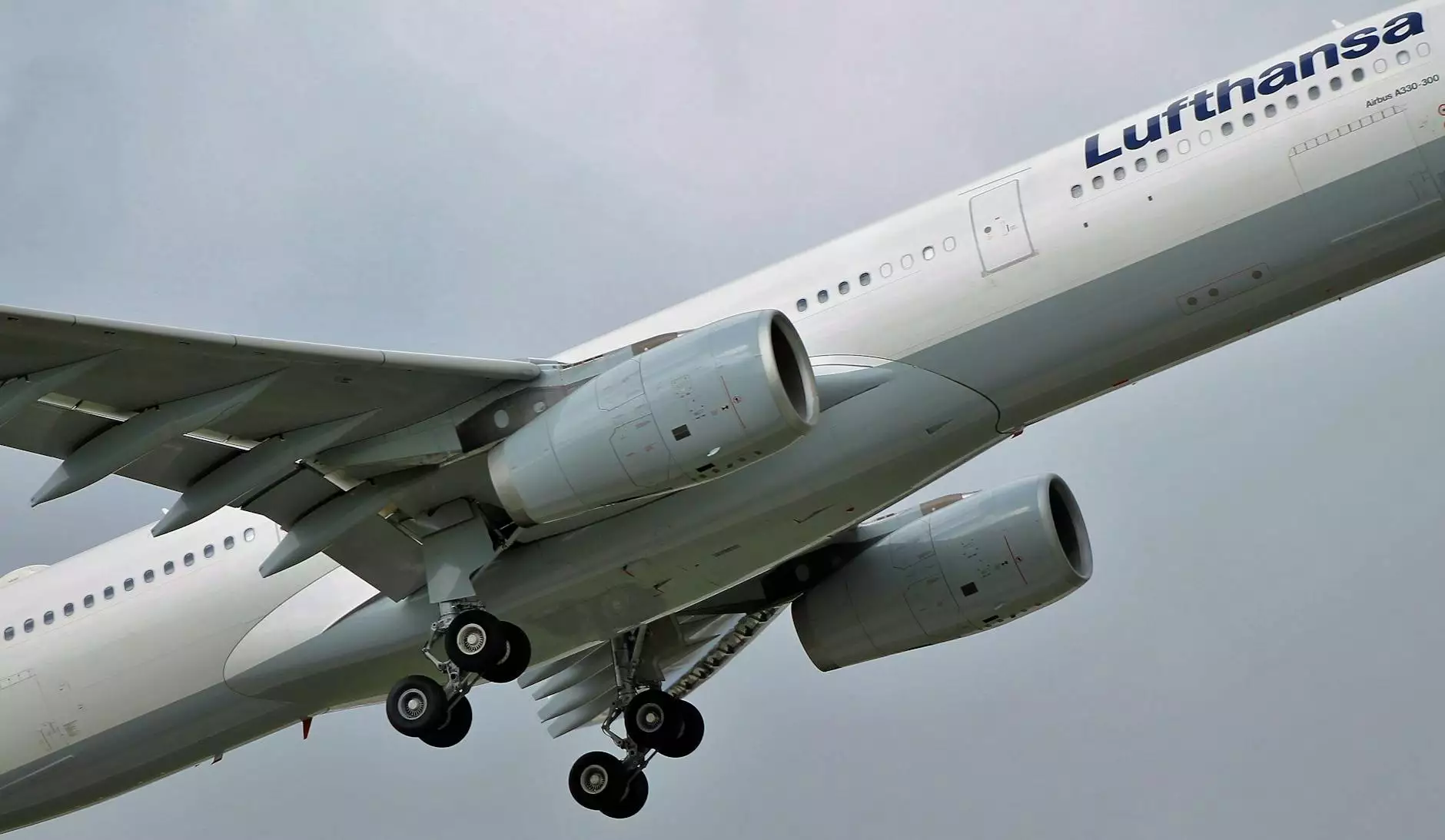
In the rapidly evolving landscape of global commerce, air cargo remains a critical component, enabling businesses to reach markets swiftly and efficiently. Whether you are a logistics manager, business owner, or supply chain professional, understanding the nuances of air cargo quotes, transportation options, and airport operations can significantly enhance your shipping strategies. This comprehensive guide delves into every facet of the air cargo industry, providing insights, best practices, and detailed information that can help your business thrive in the competitive world of logistics.
Understanding Air Cargo and Its Significance in Modern Business
Air cargo refers to the transportation of goods via aircraft, offering unparalleled speed and reliability for time-sensitive shipments. As global supply chains become increasingly complex, air freight solutions facilitate quick delivery, helping businesses meet customer expectations, reduce inventory costs, and expand into new markets. The importance of accurate air cargo quotes cannot be overstated, as they determine the profitability and efficiency of your shipping operations.
The Role of Shipping Centers and Airports in Air Cargo Logistics
Shipping centers and airports serve as the vital nodes in the air cargo network, orchestrating the movement of goods from origin to destination. These facilities are equipped with specialized infrastructure designed to handle diverse cargo types, from perishable goods to high-value electronics. Efficient operations at these hubs ensure minimal delays, optimized handling, and maximum security.
Deep Dive into Shipping Centers: The Heart of Cargo Management
Shipping centers are comprehensive hubs where cargo arrives, is processed, stored temporarily, and dispatched. They regularly include customs clearance areas, warehousing facilities, and last-mile logistics services. Modern shipping centers are now integrating advanced technology such as RFID tracking, automated sorting systems, and real-time data analytics to streamline operations.
- Advanced Infrastructure: State-of-the-art forklifts, conveyor belts, and cold storage units for perishable goods.
- Technology Integration: Real-time tracking systems and cargo status updates for transparent operations.
- Security Measures: Enhanced surveillance and screening protocols to safeguard valuable shipments.
- Customs & Compliance: On-site customs facilities streamline regulatory procedures, saving time and reducing costs.
Airports as Strategic Linchpins in Air Cargo Transportation
Airports are specialized logistical hubs designed to facilitate speedy and safe transit of air cargo. Key features include dedicated cargo terminals, streamlined customs procedures, and extensive ground handling services. Major international airports connected with major trade routes are vital for businesses aiming for global reach.
Key factors that make airports pivotal in air freight include:
- Strategic Location: Proximity to economic centers minimizes transit time.
- Connectivity: Direct flights and multiple carriers ensure flexible scheduling.
- Technological Infrastructure: Automated cargo handling, security scanners, and customs clearance systems enhance efficiency.
- Support Services: Warehousing, packaging, and documentation support improve overall shipping experience.
The Significance of Accurate Air Cargo Quotes in Business Planning
Air cargo quotes are essential for understanding shipping costs and planning logistics budgets effectively. A precise quote considers various factors, including weight, volume, destination, cargo type, and special handling requirements. Reliable air cargo quote services enable businesses to make informed decisions, compare different carriers, and optimize shipping routes.
At cargobooking.aero, we offer a comprehensive platform where you can easily obtain air cargo quotes tailored to your specific needs. Our system integrates real-time data from multiple carriers, ensuring transparency and accuracy, thus empowering your business to secure the best rates and services.
How to Obtain the Best Air Cargo Quote for Your Business
Securing an optimal air cargo quote involves several steps and considerations:
- Accurate Cargo Details: Provide detailed information about the cargo's weight, dimensions, and nature.
- Destination Precision: Clearly specify airport codes and required delivery times.
- Handling Requirements: Communicate if special handling, refrigeration, or fragile items are involved.
- Compare Multiple Quotes: Collect quotes from different carriers or freight forwarders to evaluate service levels and prices.
- Consult with Experts: Leverage logistics professionals or platforms like CargoBooking.aero to interpret quotes and select optimal options.
Benefits of Using a Professional Platform for Air Cargo Bookings
Utilizing a specialized platform such as cargobooking.aero offers numerous advantages:
- Time Savings: Instant access to multiple quotes and booking options.
- Cost Efficiency: Competitive rates due to aggregated carrier data.
- Transparency: Clear comparison of services, transit times, and costs.
- Streamlined Processes: Automated documentation and real-time tracking.
- Customer Support: Assistance with compliance, customs, and special handling needs.
Optimizing Business Logistics Through Strategic Transportation Planning
Effective transportation planning is vital for ensuring your cargo arrives on time and at the lowest possible cost. This involves selecting the right mix of air carriers, understanding transit times, and leveraging connectivity hubs like major airports and shipping centers. Incorporating flexible scheduling and contingency plans can mitigate unforeseen delays, ensuring your supply chain remains resilient.
Technologies such as route optimization algorithms, predictive analytics, and real-time tracking are revolutionizing transportation management, helping businesses reduce costs and improve service levels.
Emerging Trends in Air Cargo and Logistics
The air cargo sector is experiencing innovative changes driven by technological advancements and evolving business needs:
- Digitalization: Transition to fully digital booking, documentation, and tracking systems for enhanced efficiency.
- Automation: Use of robotics and AI in warehousing and sorting facilities.
- Environmental Sustainability: Adoption of greener aircraft and sustainable packaging to reduce carbon footprint.
- Specialized Cargo Services: Growing demand for cold chain logistics, dangerous goods handling, and high-value shipments.
- Integration with Multimodal Transport: Seamless movement combining air with sea, rail, and road logistics.
Conclusion: Harnessing the Power of Efficient Air Cargo Solutions
Successfully navigating the air cargo landscape demands a thorough understanding of shipping centers, airport operations, and the importance of accurate air cargo quotes. Partnering with a reliable platform like cargobooking.aero allows businesses to access a broad network of carriers, optimize costs, and streamline logistics processes—ultimately giving you a competitive advantage in the global marketplace.
Embracing innovative technologies and best practices in transportation planning ensures your shipments are timely, secure, and cost-effective. By prioritizing transparency and leveraging the latest industry trends, your business can unlock new growth opportunities and establish a strong foothold in international commerce.