Understanding Diesel Engine Bearings: A Comprehensive Guide
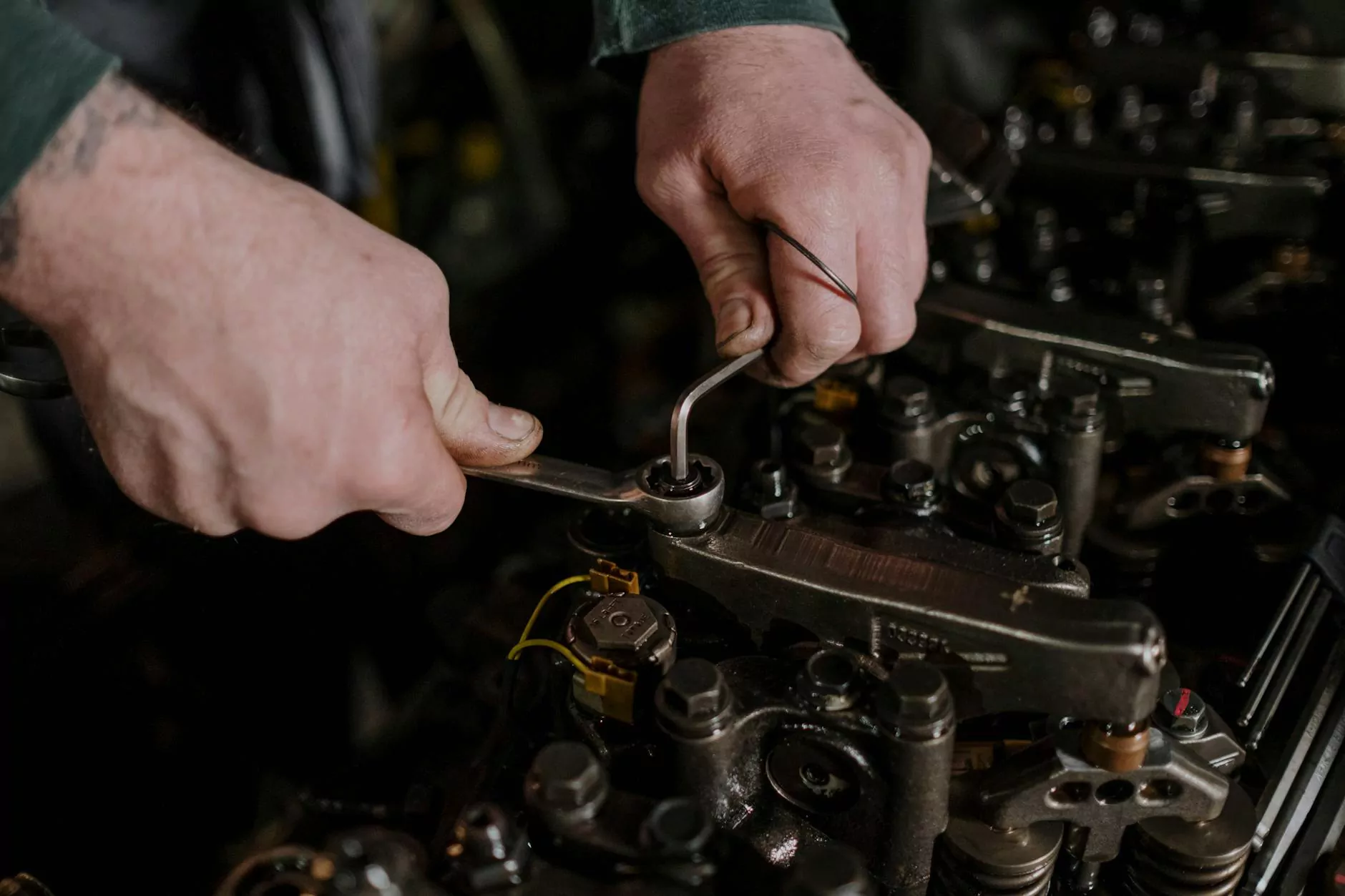
In the realm of mechanical engineering, particularly in the diesel engine sector, diesel engine bearings play a pivotal role. These critical components not only facilitate the smooth operation of the engine but also significantly impact its longevity and performance. In this detailed guide, we will explore the various aspects of diesel engine bearings—from their types and functions to maintenance practices and supplier considerations. Whether you're a mechanic, an engineer, or an interested vehicle owner, this article is designed to enrich your understanding and appreciation for these essential components.
What Are Diesel Engine Bearings?
Diesel engine bearings are specialized components that support the rotating parts of an engine, notably the crankshaft, camshaft, and connecting rods. They provide a surface for these components to rotate against with minimal friction, reducing wear and tear. The primary function of these bearings is to bear the load imposed by the engine's moving parts while allowing them to rotate freely and efficiently.
The Importance of Bearings in Diesel Engines
In diesel engines, bearings are crucial for several reasons:
- Load Bearing: They support heavy loads, especially in high-torque situations common in diesel engines.
- Friction Reduction: By providing a smooth surface, they significantly reduce friction, contributing to engine efficiency.
- Heat Dissipation: Bearings help to dissipate heat, which is vital in maintaining optimal engine temperatures.
- Alignment: They maintain proper alignment of engine parts, crucial for optimal performance.
Types of Diesel Engine Bearings
Understanding the types of diesel engine bearings is essential for selecting the right components for repairs or replacements. The two primary categories include:
1. Main Bearings
Main bearings support the crankshaft, enabling it to rotate smoothly. They are typically split into upper and lower halves and are designed to withstand the considerable forces produced by the combustion process. High-quality main bearings are essential for reducing vibrations and ensuring efficient power transmission.
2. Rod Bearings
Rod bearings connect the connecting rods to the crankshaft. They facilitate the movement of pistons and must cope with high levels of stress during engine operation. These bearings play a pivotal role in maintaining the balance and performance of the engine.
3. Camshaft Bearings
Although less commonly discussed, camshaft bearings are crucial for the proper functioning of the timing mechanisms in diesel engines. They help control the opening and closing of engine valves, allowing for efficient air and fuel intake and exhaust.
4. Thrust Bearings
Thrust bearings manage axial loads and help prevent the crankshaft from moving forward and backward. They thus maintain engine stability, particularly during acceleration and deceleration.
Key Considerations for Selecting Diesel Engine Bearings
When it comes to purchasing diesel engine bearings, several factors should be considered to ensure compatibility and reliability:
1. Material Quality
The materials used in the manufacturing of diesel engine bearings can significantly impact their durability and performance. Common materials include:
- Bronze: Excellent for wear resistance and load capacity.
- Babbit (Lead Alloy): Known for its smooth surface and anti-friction properties.
- Polymer Composites: Offer lightweight alternatives with good durability and wear characteristics.
2. Size and Specifications
Ensuring that the bearings fit the specific engine model is crucial. Always consult the manufacturer's specifications and guidelines to select the correct dimensions and tolerances.
3. Brand Reputation
Quality matters when it comes to engine components. Investing in reputable brands and manufacturers ensures you receive bearings that can withstand the rigors of diesel engine operation.
Benefits of High-Quality Diesel Engine Bearings
Opting for high-quality diesel engine bearings brings numerous benefits that enhance overall engine performance:
1. Enhanced Engine Performance
Quality bearings minimize friction and allow components to operate at their intended performance levels, leading to improved engine responsiveness and fuel efficiency.
2. Increased Longevity
Durability is key in any engine component. High-quality bearings reduce wear and tear, thereby extending the lifespan of both the bearings and the engine itself.
3. Reduced Noise and Vibration
Poor-quality bearings can lead to increased noise levels and vibrations, which are not only unpleasant but can also lead to further mechanical issues. Quality bearings mitigate these problems.
Maintenance Tips for Diesel Engine Bearings
To ensure the longevity and performance of diesel engine bearings, regular maintenance is essential. Here are vital maintenance tips:
1. Regular Oil Changes
Engine oil lubricates the bearings and reduces friction. Regularly changing the oil helps maintain its effectiveness and removes impurities that can lead to bearing wear.
2. Monitor Engine Temperature
Excessive heat can damage bearings. Keeping an eye on engine temperatures and addressing overheating issues promptly can prolong the life of your bearings.
3. Check for Contaminants
Ensure that the oil and coolant systems are free from contaminants. This practice not only protects bearings but also enhances overall engine performance.
Finding Reliable Spare Parts Suppliers
For anyone engaged in diesel engine maintenance or repair, finding a reliable supplier for diesel engine bearings is crucial. Here are some tips to help you in this endeavor:
1. Research Suppliers
Look for suppliers with a strong reputation in the industry. Check reviews, ratings, and customer testimonials to gauge reliability.
2. Evaluate the Product Range
A reputable supplier should offer a comprehensive range of diesel engine parts. This range not only gives you options but also reflects the supplier's expertise in the field.
3. Quality Guarantees
Ensure that your chosen supplier offers quality guarantees or warranties on their products. This assurance is crucial when investing in engine components.
The Future of Diesel Engine Bearings
As technology advances, the engineering behind diesel engine bearings is also evolving. Innovative materials, improved manufacturing techniques, and enhanced designs are on the rise, aimed at increasing performance and longevity. Embracing these innovations will be essential for both manufacturers and users alike to keep pace with the demands of today's engines.
Conclusion
In summary, diesel engine bearings are integral to the function and longevity of diesel engines. By understanding their types, functions, maintenance practices, and the importance of selecting quality suppliers, you can ensure the optimal operation of your diesel engine. As the industry continues to evolve, staying informed about advancements in bearing technology will provide even greater opportunities for enhanced engine performance and durability. Invest in quality, stay informed, and your diesel engine is sure to thrive.
For more information on diesel engine parts and to purchase high-quality diesel engine bearings, visit client-diesel.com.