
Understanding Semaglutide and Bacteriostatic Water Mixture
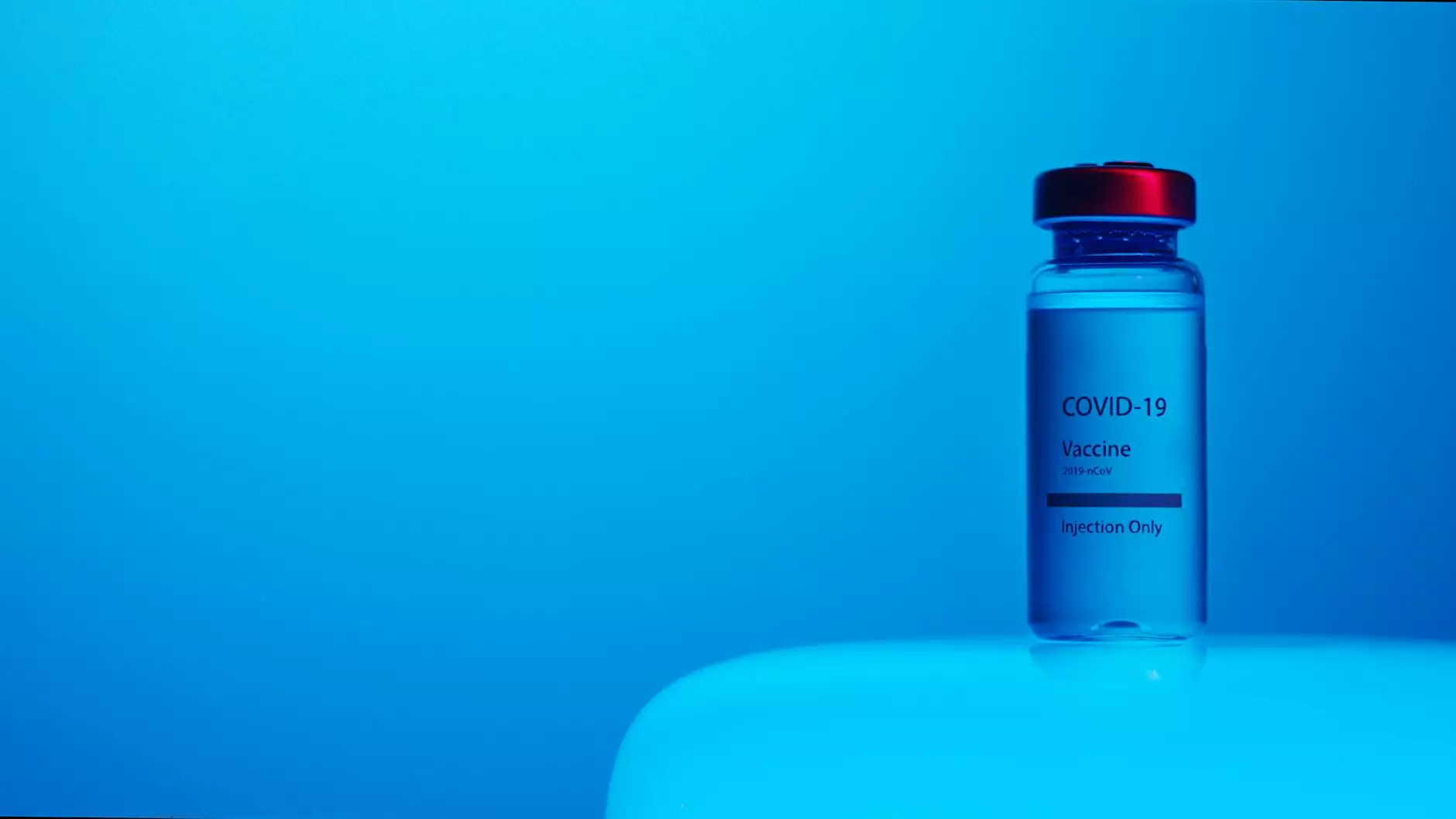
Semaglutide is a groundbreaking medication designed for weight management and improved glycemic control. Derived from a natural hormone, it mimics the properties of glucagon-like peptide-1 (GLP-1), enhancing insulin secretion while inhibiting glucagon release. When considering the use of semaglutide, a crucial aspect is how to properly mix it with bacteriostatic water. This article provides an exhaustive guide on how much bacteriostatic water to mix with semaglutide, ensuring safe and effective usage tailored to your health needs.
What is Bacteriostatic Water?
Bacteriostatic water is a sterile water solution designed for dilution and reconstitution of medications. It contains a small amount of benzyl alcohol, which acts as a preservative to inhibit bacterial growth. Bacteriostatic water is safe for use with medications intended for injection and is widely used throughout the pharmaceutical industry due to its effectiveness.
Key Characteristics of Bacteriostatic Water
- Sterility: Free from bacteria and other pathogens.
- Preservative Function: Contains benzyl alcohol to prevent bacterial growth.
- pH Neutrality: Typically exhibits a pH range of 4.5 to 7.0, making it suitable for various medications.
The Importance of Proper Mixing
Understanding how much bacteriostatic water to mix with semaglutide is vital for several reasons:
- Accurate Dosage: Proper dilution ensures you receive the correct dosage of semaglutide for optimal therapeutic effects.
- Safety: Mixing medications incorrectly can lead to adverse reactions or decreased effectiveness.
- Stability: Correctly prepared semaglutide maintains stability for a longer period, increasing its shelf life.
How to Mix Semaglutide with Bacteriostatic Water
To effectively understand how much bacteriostatic water to mix with semaglutide, one must consider the vial concentrations and the prescribed dosage. Below are the steps for proper preparation:
Step-by-Step Guide
- Gather Supplies:
- Semaglutide vial
- Bacteriostatic water vial
- Syringe (with a suitable gauge needle)
- Alcohol swabs
- Your prescription or dosing information
- Clean the Vials: Use an alcohol swab to thoroughly clean the rubber tops of both the semaglutide and bacteriostatic water vials. This eliminates potential contaminants.
- Withdraw Bacteriostatic Water: Fill the syringe with the appropriate amount of bacteriostatic water, ensuring you draw in the right dosage.
- Inject Water into Semaglutide: Slowly inject the bacteriostatic water into the semaglutide vial. Aim for the side of the vial to minimize agitation of the solution.
- Gently Swirl the Vial: Avoid shaking the vial. Instead, gently swirl it until the powder is fully dissolved, creating a clear solution.
Determining the Right Amount of Bacteriostatic Water
When determining how much bacteriostatic water to mix with semaglutide, follow these guidelines based on your prescription:
Common Mixing Ratios
The amount of bacteriostatic water to be mixed often depends on the concentration of semaglutide prescribed. Here are some common mixing ratios:
- For 1 mg/mL Semaglutide: Mix with 1-2 mL of bacteriostatic water.
- For 2 mg/mL Semaglutide: Mix with 1 mL of bacteriostatic water.
- For 5 mg/mL Semaglutide: Mix with 1-2 mL of bacteriostatic water.
Always follow your healthcare provider's instructions regarding dosage and mixing specifics.
Storage and Shelf Life
Once semaglutide is reconstituted with bacteriostatic water, proper storage is critical:
- Refrigeration: Store the mixed solution in a refrigerator at a temperature of 2-8°C (36-46°F).
- Usage Timeline: Typically, the mixture can be used within 30 days; however, verify with your pharmacist or healthcare provider for specifics.
- Inspect Before Use: Always check for any discoloration or particulate matter before administration.
Administering Semaglutide
After mixing, it’s essential to understand proper administration techniques for semaglutide:
Injection Guidelines
- Choose the Injection Site: Common sites include the abdomen, thigh, or upper arm. Rotate injection sites to avoid tissue irritation.
- Prepare the Injection Zone: Clean the area with an alcohol swab to minimize infection risk.
- Administer the Injection: Pinch the skin, insert the needle at a 90-degree angle, and inject the solution slowly.
- Dispose Properly: Dispose of needles and syringes in a designated sharps container according to local regulations.
Potential Side Effects of Semaglutide
As with any medication, semaglutide may cause side effects. It's crucial to discuss potential side effects with your healthcare provider before starting therapy. Commonly reported side effects include:
- Nausea
- Diarrhea
- Vomiting
- Constipation
- Abdominal pain
Conclusion
In summary, understanding how much bacteriostatic water to mix with semaglutide is crucial for those undergoing weight management or diabetes treatments. The proper mixing and administration ensure that you maximize the benefits of this potent medication while minimizing risks. Always stay informed through your healthcare provider, adhere to the specified ratios, and maintain proper storage practices. Empower yourself on your health journey by utilizing semaglutide effectively and safely!
© 2023 Skinny Jabs. All rights reserved.