The Ultimate Guide to Timber Merchants and Wood Suppliers
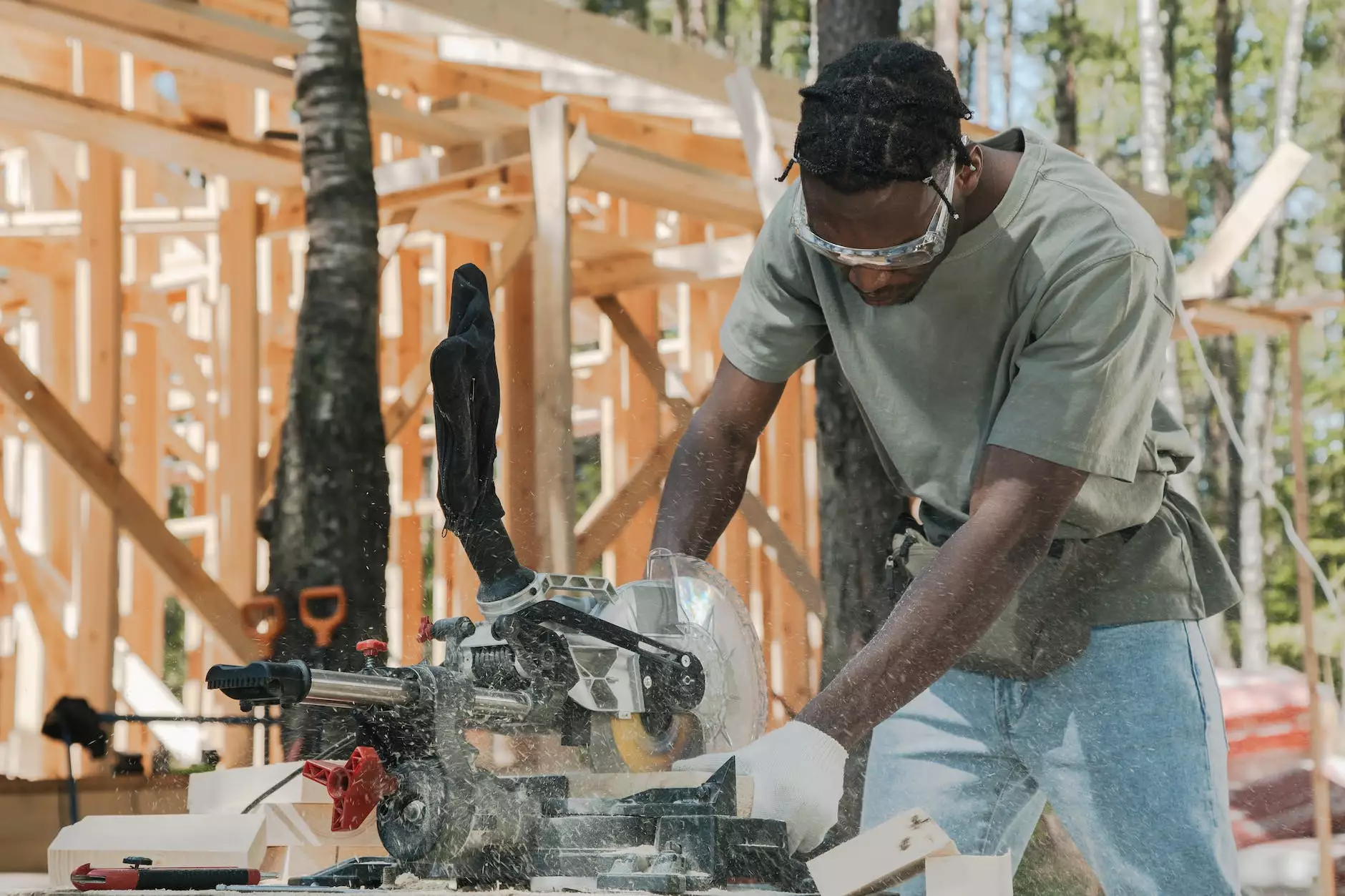
In the world of construction and craftsmanship, the significance of timber merchants and wood suppliers cannot be overstated. These entities not only provide quality materials but also play a pivotal role in sustainable building practices and the economy. This article delves deep into the realm of timber merchants, focusing on the exceptional offerings of hardwood charcoal and other timber products.
Understanding Timber Merchants
Timber merchants are specialized retailers who deal in timber products for various applications—from construction to furniture-making. Their expertise is essential in matching the right type of wood to specific projects. This is crucial because different types of timber possess unique characteristics, making them suitable for various uses.
The Role of Timber Merchants
- Expert Guidance: Timber merchants provide valuable insights into wood selection based on characteristics such as strength, grain, and finish.
- Quality Assurance: They ensure that the wood meets industry standards, offering only the best quality to customers.
- Sustainability Practices: Many timber merchants, including Stary Timbers, are committed to sourcing timber responsibly, supporting sustainable forestry practices.
Choosing Quality Timber: What to Look For
When selecting timber, various factors come into play. Understanding these factors aids buyers in making informed decisions. Here’s what to look for:
1. Types of Timber
Timber comes in various types, each with its own benefits:
- Hardwood: Known for its durability and resistance to wear, hardwood is perfect for furniture and flooring.
- Softwood: Generally less expensive, softwood is often used in construction and less-demanding applications.
2. Moisture Content
High moisture content can lead to warping and cracking. It is essential to ensure that the timber is properly dried before use. A moisture meter can be a handy tool for this purpose.
3. Certifications
While searching for timber suppliers, look for certifications. Sustainable Forest Management certifications ensure that the timber is sourced responsibly.
Timber for Various Applications
Timber is not a one-size-fits-all material. Different applications require specific types of wood. Here’s a breakdown of how various timbers are utilized:
Construction
In the construction industry, softwoods like pine and spruce are extensively used for framing and roofing. These woods are lightweight yet strong, making them ideal for structural applications.
Furniture Making
Hardwoods such as oak, maple, and walnut are preferred for furniture-making due to their strength, beauty, and ability to hold fine details. A skilled craftsman can use these materials to create breathtaking pieces that last a lifetime.
Flooring
Wooden flooring is a popular choice for its aesthetic appeal and durability. Hardwoods are favored for flooring due to their hardness and ability to withstand foot traffic. Engineered timber floors are also gaining traction for their stability and moisture resistance.
The Importance of Sustainable Practices in Timber Supply
As concerns over environmental impact continue to rise, the importance of sustainable timber supply becomes paramount. Responsible timber sourcing helps mitigate deforestation and promotes the health of forests worldwide.
How Stary Timbers Supports Sustainability
Stary Timbers, as a leading timber merchant, is deeply committed to sustainability. The company ensures:
- Responsible Sourcing: Timber is sourced from certified forests that follow sustainable harvesting practices.
- Recycling and Reuse: Stary Timbers promotes the recycling of timber and encourages customers to choose reclaimed wood when possible.
Exploring Hardwood Charcoal: The Versatile Product
Another remarkable product within the offerings of timber suppliers is hardwood charcoal. This product, derived from carbonized hardwood, serves various purposes:
1. Cooking and Grilling
Hardwood charcoal is known for producing a higher heat output and less smoke compared to traditional charcoal. This makes it a preferred choice for barbecues and grilling.
2. Environmental Benefits
Using hardwood charcoal can be more environmentally friendly than other sources of energy. It produces fewer pollutants and is often made from sustainably sourced timber.
3. Industrial Applications
Beyond cooking, hardwood charcoal has applications in industries like metalworking and water purification, showcasing its versatility.
Conclusion: Your Trusted Source for Timber and Hardwood Charcoal
In conclusion, the role of timber merchants and wood suppliers is critical in today's building and crafting landscape. With a commitment to quality and sustainability, businesses like Stary Timbers provide not only timber products but also a pathway towards responsible consumption. From top-notch hardwood options to innovative products like hardwood charcoal, Stary Timbers caters to diverse needs while promoting environmentally friendly practices. When you choose the right timber supplier, you invest in quality, sustainability, and a brighter future for our forests and communities.
https://starytimbersro.com/product/hardwood-charcoal/