Transforming Hearing Healthcare: The Rise of Mobile Audiology Clinics
The modern world continues to make strides in healthcare, and one of the most promising innovations is the mobile audiology clinic. These clinics are not just cutting-edge; they represent a shift in how we think about access to audiological services. In this detailed exploration, we'll delve into how mobile audiology clinics are changing the landscape of hearing healthcare, their benefits, and why they are becoming increasingly essential for communities across the globe.
Understanding Mobile Audiology Clinics
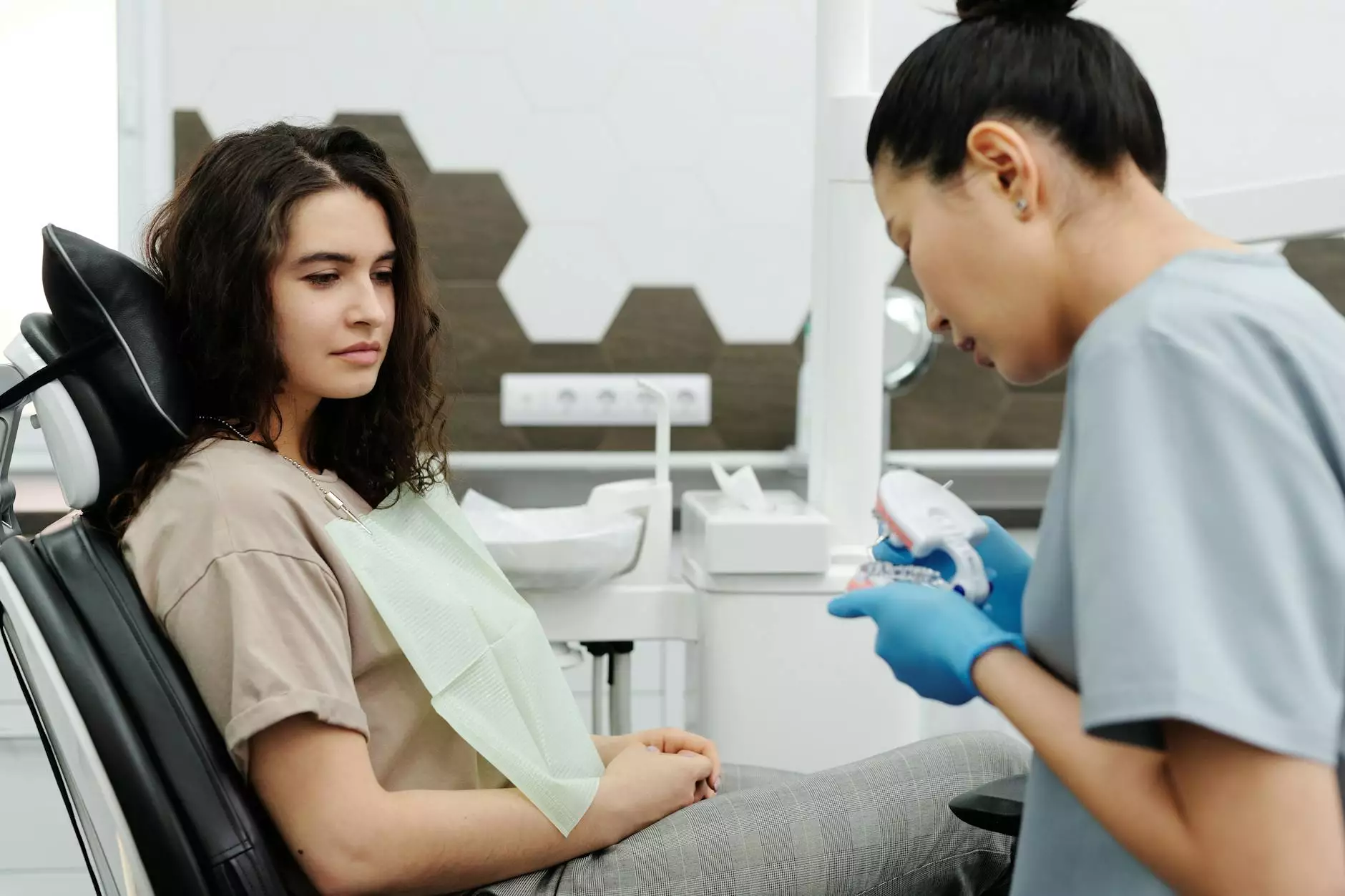
A mobile audiology clinic is essentially a specially equipped vehicle that brings audiological testing and services directly to patients. These clinics are staffed with trained audiologists who can perform a range of services, including:
- Comprehensive hearing tests
- Hearing aid fitting and maintenance
- Custom ear molds
- Auditory processing evaluations
- Hearing protection consultations
This service is particularly beneficial for individuals who may have difficulty accessing traditional audiology clinics due to mobility issues, transportation barriers, or living in remote areas.
The Benefits of Mobile Audiology Clinics
Diving deeper into the advantages, the mobile audiology clinic model offers numerous benefits:
1. Increased Accessibility
Accessibility is perhaps the most significant advantage. Many patients, particularly the elderly or those with disabilities, may struggle to visit a conventional clinic. Mobile clinics eliminate this barrier by providing services directly at the patient’s location, whether that be at home, a community center, or even in workplace settings.
2. Convenience and Comfort
Patients can receive care in the comfort of their own environment, reducing anxiety that often comes with clinical visits. For parents, having audiologists come to their homes allows for more straightforward scheduling and less disruption to their daily routines.
3. Time Efficiency
Mobile audiology clinics can significantly reduce waiting times. Traditional clinics often operate with a high volume of patients, leading to delayed appointments. Mobile clinics streamline this process, providing timely services that cater directly to patient needs without long waits.
4. Community Outreach and Education
Mobile audiology clinics actively engage in community outreach, which is essential for increasing awareness about hearing health. They often provide educational sessions on the importance of hearing screenings and preventative care, helping to reflect the value of early detection and treatment.
5. Tailored Services
Every individual has unique needs regarding hearing health. Mobile clinics can tailor their services to suit various populations, including children, the elderly, industrial workers, and even sports enthusiasts, ensuring that all groups have access to specialized care.
How Mobile Audiology Clinics Operate
The operations of a mobile audiology clinic entail several steps that ensure effective service delivery:
1. Scheduling Visits
Mobile clinics generally have a robust scheduling system, allowing patients to book appointments easily online or via phone. Community organizations often work with mobile clinics to set specific dates and locations for group screenings. This collaboration maximizes outreach and accessibility.
2. Equipped Facilities
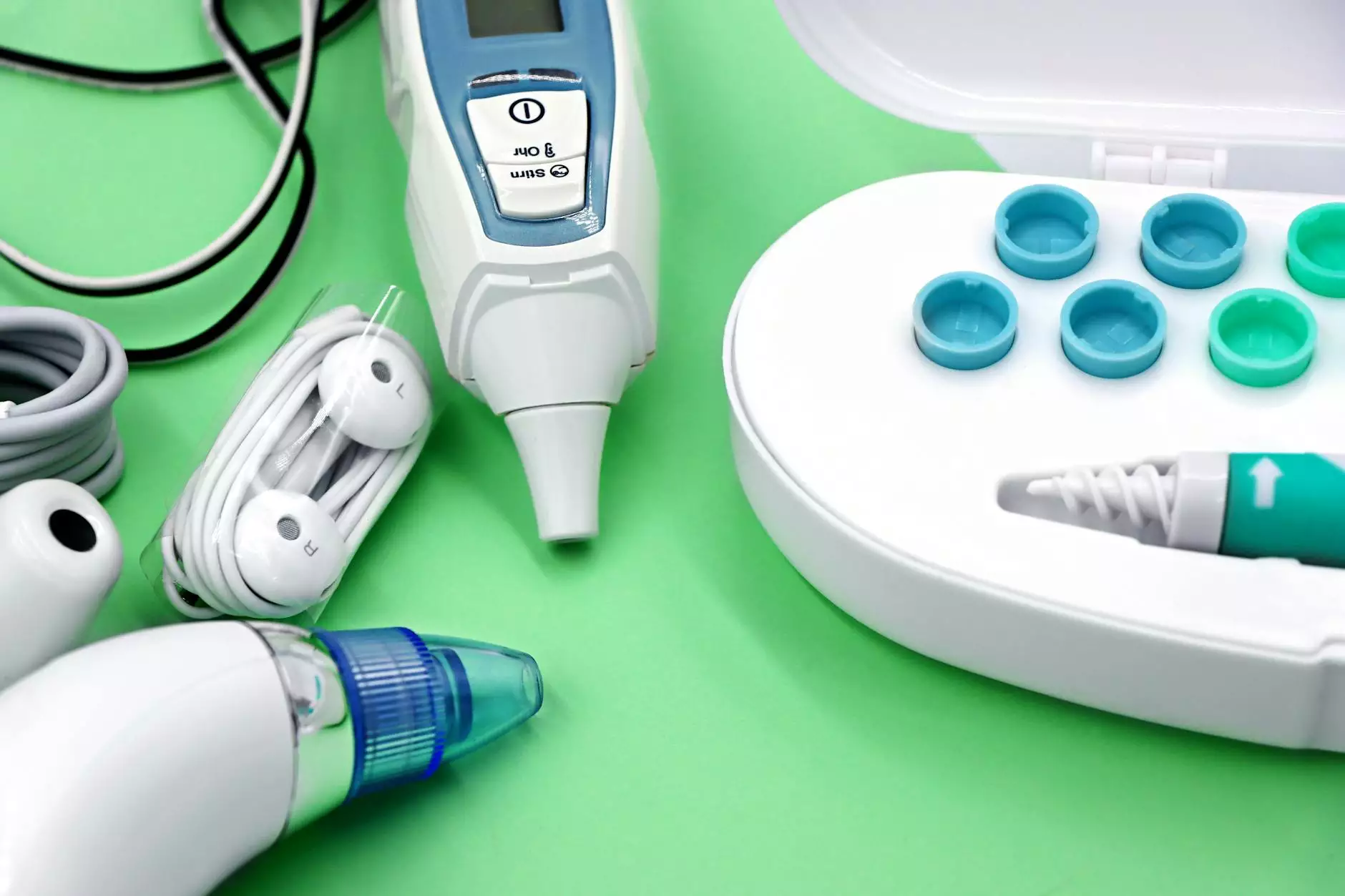
The vehicles used for mobile audiology clinics are equipped with state-of-the-art audiological testing equipment, ensuring that patients receive the same level of care as they would in a stationary clinic. This includes soundproof booths for testing and the latest technology for hearing assessments.
3. Professional Staff
Qualified audiologists staff these clinics, ensuring that each patient receives expert care. Many mobile clinics also employ support staff to assist with administrative tasks, enabling audiologists to focus entirely on patient care.
4. Follow-Up Care
Mobile audiology clinics understand the importance of continuity of care. They provide follow-up visits for further assessments, hearing aid fittings, or maintenance. This approach fosters a strong provider-patient relationship and ensures ongoing support for patients’ hearing health.
Challenges Faced by Mobile Audiology Clinics
While mobile audiology clinics offer numerous benefits, they are not without challenges. Understanding these obstacles is crucial for ongoing improvement and sustainability within the field:
1. Funding and Resources
Establishing and maintaining a mobile clinic requires significant investment in both equipment and staff. Many clinics rely on grants, community partnerships, and donations to sustain their operations, which can sometimes limit their service area.
2. Transport and Logistics
Managing the logistics of transporting equipment and staff can be complex. Scheduling must account for traffic patterns, weather conditions, and other logistical considerations, which can sometimes hinder service delivery.
3. Regulatory Compliance
Mobile clinics must comply with local health regulations and guidelines. This includes obtaining necessary permits and ensuring that all equipment meets safety standards, which can be a cumbersome process.
4. Patient Education and Outreach
While mobile clinics aim to increase awareness about hearing health, reaching out and educating the public effectively can be a challenge. Ongoing education is necessary to ensure that communities understand the services available to them.
The Future of Mobile Audiology Clinics
The potential for growth in the field of mobile audiology clinics is vast. As technology advances and the demand for accessible healthcare increases, we can expect to see several positive trends:
1. Technological Advancements
With innovations in telehealth and remote monitoring, mobile audiology clinics are likely to incorporate these technologies to expand their reach. Remote audiometric testing and teleconsultations can enhance service delivery, especially in underserved areas where direct access to audiologists is limited.
2. Integration with Health Systems
As healthcare systems increasingly emphasize patient-centered care, mobile audiology clinics may become integrated into larger health initiatives. Collaborating with primary care providers will facilitate comprehensive care that addresses not just hearing health, but overall wellness.
3. Expanding Service Offerings
Future mobile audiology clinics may expand their offerings to include other health services, such as vision screenings and general health check-ups. This holistic approach can significantly enhance the value they provide to communities.
4. Enhanced Community Partnerships
Building strong partnerships with schools, workplaces, and community organizations could increase outreach and education efforts, making it easier for underserved populations to access ear health services.
Conclusion
The mobile audiology clinic model represents a transformative approach to hearing healthcare, breaking down barriers and improving access for countless individuals. With their increasing prevalence, we can anticipate a future where hearing health is prioritized, and individuals gain the necessary support to manage their auditory health effectively.
As these mobile services expand, they pave a path towards healthier communities, making hearing healthcare not just accessible, but universal. By engaging with and investing in mobile audiology clinics, we are investing in the future of healthcare—one where every individual has the opportunity to hear the world around them clearly.
Visit mobileclinic.healthcare to learn more about how our mobile audiology clinics can serve you or your community!